HNW Prospecting for Independent RIAs in Pittsburgh

Bhavya Barot

Pittsburgh has undergone one of the most remarkable economic transformations of any American city over the past three decades, evolving from the steel capital of the world into a nationally significant hub for healthcare, robotics, artificial intelligence research, and advanced manufacturing. The University of Pittsburgh Medical Center has become one of the largest healthcare systems in the United States. Carnegie Mellon University has seeded a robotics and AI ecosystem that has produced companies and talent recruited by every major technology company in the country. And the legacy industrial wealth — accumulated over generations of steel, glass, and manufacturing ownership — remains a significant and complex estate planning challenge for the multi-generational families who hold it.
For multi-billion dollar independent RIAs, that concentration is both an extraordinary opportunity and a brutal competitive reality. The wealth profiles are diverse, the planning needs are genuine, and the advisory landscape is dominated by institutions that cannot provide the planning depth the market demands.
The Pittsburgh HNW Wealth Landscape
Pittsburgh's HNW wealth draws from several major and distinctive sources that reflect the city's unique economic evolution.
UPMC and Healthcare Executive Wealth
UPMC (University of Pittsburgh Medical Center) is the dominant economic force in Pittsburgh — one of the largest employers in Pennsylvania, one of the largest non-profit health systems in the United States, and a major insurer with over 4 million health plan members. UPMC's senior executives, department chairs, and research leadership represent a significant HNW population with complex compensation structures specific to non-profit healthcare.
Non-profit healthcare executive compensation has specific planning characteristics. UPMC executives are compensated through a combination of base salary, 403(b) retirement plans, 457(b) deferred compensation plans (with different contribution limits, investment options, and distribution rules than corporate 401(k)s), and in some cases supplemental executive retirement arrangements. The interaction between these benefit plan elements and personal investment planning requires specific expertise that most advisors who serve for-profit corporate executives do not possess. The advisor who has built genuine depth in non-profit executive benefits planning has a durable competitive advantage in Pittsburgh's dominant employment sector.
Beyond UPMC, Pittsburgh's broader healthcare sector — Highmark Health, Allegheny Health Network, West Penn Allegheny Health System, and a large community of physician practices — produces a substantial physician and healthcare executive population with complex wealth accumulation needs.
Carnegie Mellon and Robotics/AI Technology Wealth
Carnegie Mellon University's preeminence in robotics and artificial intelligence has made Pittsburgh a significant technology wealth creation market in its own right. The CMU spinout ecosystem has produced companies including Argo AI (founded by former Google and Uber executives, funded by Ford and Volkswagen), Aurora Innovation (the autonomous vehicle company, founded in part by CMU researchers), Duolingo (headquartered in Pittsburgh), and dozens of smaller robotics, AI, and software companies.
The CMU tech community's wealth profile is distinctive. It is heavily academic in its origins — founders and early executives who came from research backgrounds and are building companies around fundamental technology rather than consumer applications. Their equity wealth tends to be concentrated in early-stage companies with genuine technology value but long timelines to liquidity. Pre-liquidity planning for these individuals — QSBS analysis, 83(b) elections, early exercise strategies — creates specific planning opportunities that reward advisors with technology equity expertise.
The major technology companies that have established significant Pittsburgh presences — Google, Apple, Amazon, Microsoft, and Uber all have AI and robotics research teams in Pittsburgh — add a layer of corporate tech executive wealth to the CMU-driven startup ecosystem.
Legacy Industrial and Family Wealth
Pittsburgh's legacy as the center of the American steel, glass, and industrial economy has left a substantial and complex multi-generational wealth base. The Heinz, Carnegie, Mellon, Frick, and other famous Pittsburgh family fortunes represent the most visible layer of this legacy, but the deeper and more relevant layer for independent RIAs is the second- and third-generation families who built meaningful wealth through steel service centers, industrial equipment manufacturing, glass fabrication, and related businesses over the past century.
These families often have estates structured around family limited partnerships, irrevocable trusts, and closely held business interests that were established in an earlier era and require thoughtful updating for current tax law and family circumstances. The combination of illiquid business interests, appreciated real property, and investment assets across multiple accounts and custodians creates a planning situation that rewards an orchestrating advisor who can see across the full picture.
Financial Services and Regional Business Wealth
PNC Financial Services Group — one of the largest banks in the United States — is headquartered in Pittsburgh. BNY Mellon has deep Pittsburgh roots (the Mellon Bank heritage). These institutions' executive populations add a financial services component to Pittsburgh's HNW market, along with the specific planning complexities of financial services executive compensation.
Client Relationship Value in Pittsburgh
Consider a typical target client for a Pittsburgh-focused independent RIA: a 54-year-old UPMC department executive with $2.4M in total financial assets — a 457(b) deferred compensation plan with $900K accumulated, a 403(b) with $700K, $500K in taxable investments, and $300K in cash. They have never had a comprehensive financial plan. Their 457(b) is invested in the default allocation. Their estate planning is outdated and does not reflect the actual distribution of their assets.
At a 1.0% advisory fee on managed assets plus a flat planning fee, this client generates $26,000 to $30,000 in annual advisory revenue. A CMU-affiliated technology founder who reaches liquidity through a company sale — arriving as a client with $3M in proceeds — represents even higher revenue per relationship and extraordinary referral network potential within the CMU tech community.
The math for Pittsburgh RIAs using Spaces is straightforward: at $300 per meeting with a 20–25% close rate, the cost per new client acquisition is $1,200 to $1,500 — covered by roughly six weeks of the first client's annual advisory fees.
Profiles of Ideal Spaces Clients in Pittsburgh
The UPMC and non-profit healthcare specialist. A $220M RIA with specific expertise in 403(b) and 457(b) non-profit benefit plan structures, UPMC compensation plan details, and the integrated planning needs of healthcare executives. Spaces targets UPMC leadership and Highmark Health executives with messaging that demonstrates specific knowledge of non-profit healthcare compensation.
The technology and CMU ecosystem advisor. A $185M firm building a practice around Pittsburgh's emerging AI and robotics sector — CMU spinout founders, early employees at Duolingo and Aurora Innovation, and corporate AI researchers at Google and Apple's Pittsburgh campuses. Spaces reaches these individuals with pre-liquidity planning messaging specific to their equity situations.
The legacy wealth and estate specialist. A $310M RIA with deep expertise in multi-generational estate planning, family limited partnership administration, and the updating of legacy wealth structures for modern tax law. Spaces targets the second- and third-generation family wealth holders in Pittsburgh's established neighbourhoods with thoughtful, estate-planning-focused outreach.
The Competitive Landscape for Independent RIAs in Pittsburgh
Pittsburgh's advisory market is led by the private banking arms of PNC and Mellon (now BNY Mellon's Pittsburgh operations), wirehouse branches, and a modest but growing independent advisory community. The independent RIA market is underdeveloped relative to the size and complexity of the wealth opportunity — particularly in healthcare executive planning and technology equity planning, which are specific to Pittsburgh's emerging economic profile.
The Prospecting Challenge Specific to Pittsburgh
Pittsburgh is a proud, community-oriented city where local knowledge and genuine connection matter more than brand or institutional affiliation. The UPMC executive who receives outreach from a firm that demonstrably understands UPMC's compensation structure is in a different conversation than the one receiving generic wealth management pitches. Leading with specific, locally grounded planning knowledge is how independent RIAs earn the attention of Pittsburgh's HNW professionals.
How Spaces Works for Pittsburgh-Area RIAs
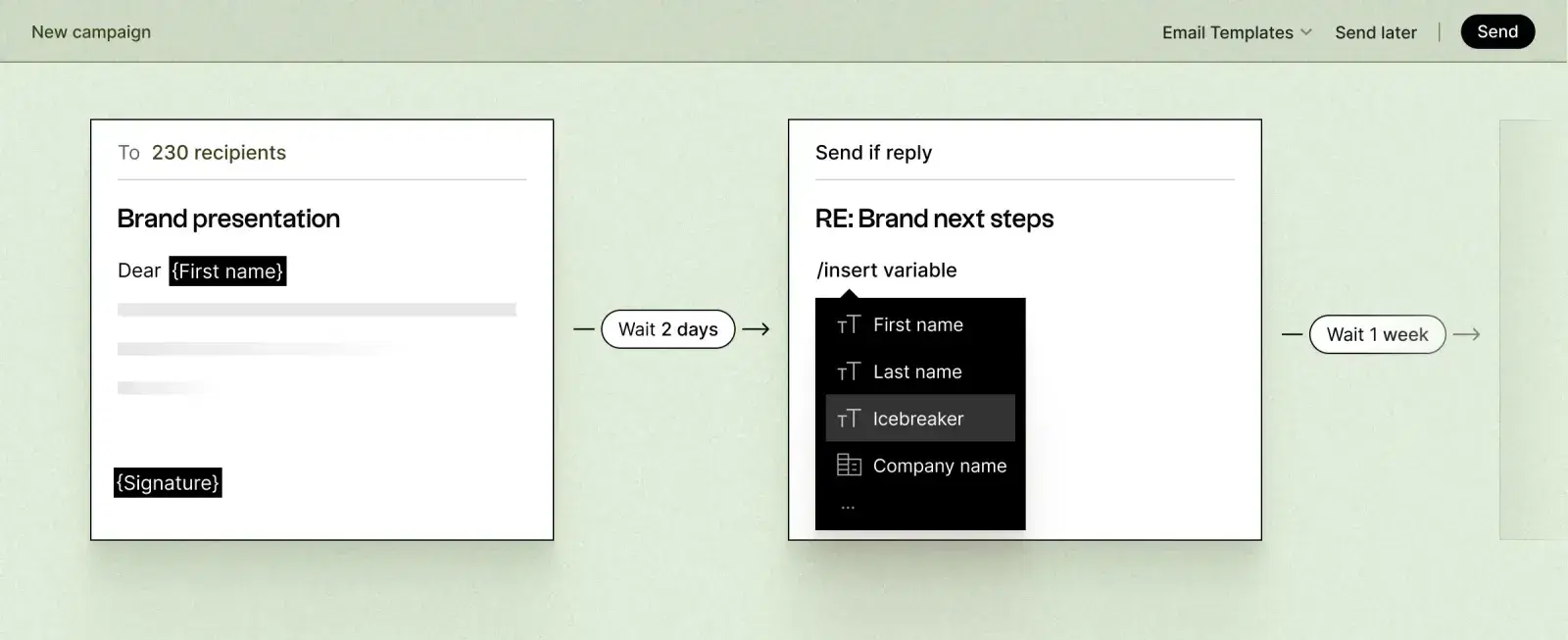
Spaces is a fully managed HNW meeting booking service for independent RIAs. Spaces identifies high-net-worth prospects who match your firm's target profile in the Pittsburgh metro area, runs personalised outbound outreach, manages all responses, and books confirmed meetings directly into your calendar.
Every prospect who reaches your calendar has confirmed $500,000 or more in investable assets and expressed genuine openness to a wealth management conversation.
Frequently Asked Questions
Does Spaces work specifically in the Pittsburgh market?
Yes. Spaces serves Pittsburgh, Shadyside, Squirrel Hill, Fox Chapel, Mt. Lebanon, Peters Township, Cranberry Township, and the broader Allegheny County metro area.
What types of HNW prospects can Spaces target in Pittsburgh?
Common target profiles include UPMC and healthcare executives, Carnegie Mellon technology founders and AI researchers, PNC and BNY Mellon executives, legacy industrial family wealth holders, and technology executives at Google, Apple, and Amazon's Pittsburgh campuses.
How long before the first meeting is booked?
Spaces typically launches within two to three weeks and delivers first qualified meetings within 30 to 45 days.
Is there a setup fee?
Reach out to discuss pricing and availability in the Pittsburgh market.
Related Reading
- The Independent RIA's Guide to Liquidity Events: How to Turn Founder Wealth into New AUM
- HNW Prospecting for Independent RIAs in Boston
- HNW Prospecting for Independent RIAs in Columbus
- Inbound vs Outbound for RIAs: Which Grows AUM Faster in 2026?